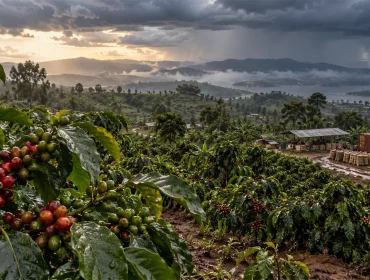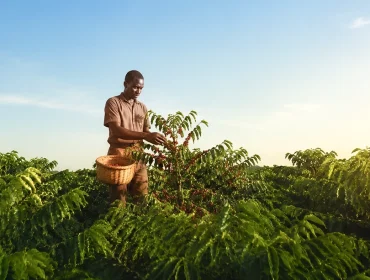


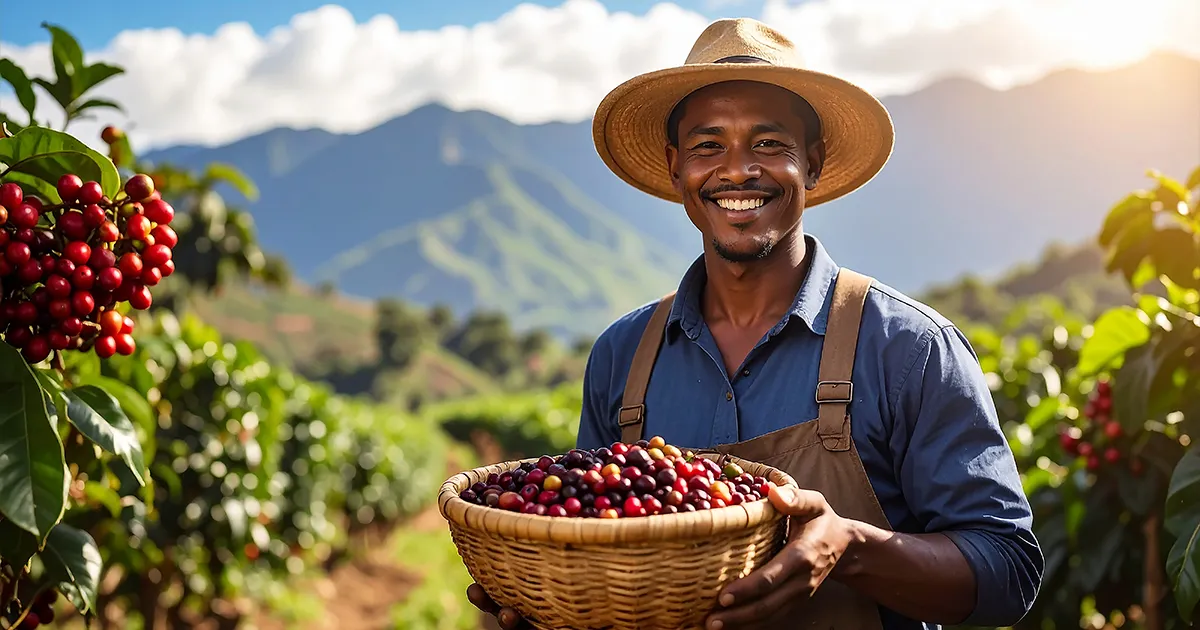
Uganda’s coffee sector stands on the shoulders of millions of smallholder farmers—families who typically cultivate just one or two hectares of land, yet play an outsized role in the country’s economy, crop quality, and long‑term sustainability.
Around 80% of Uganda’s total coffee production comes from these small family farms, where coffee is not only a source of income but also a cultural legacy passed down through generations.
Smallholders: The Backbone of Uganda’s Coffee Production
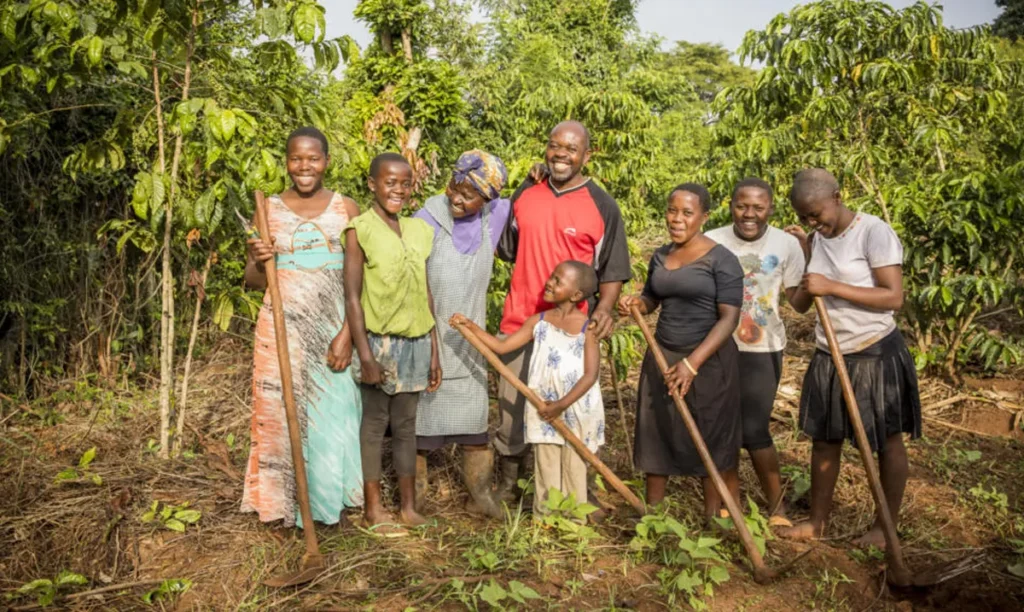
1. Family-based farming traditions
In many regions, coffee farms are inherited from parents and grandparents. This generational continuity preserves:
- Deep local knowledge of coffee cultivation
- Traditional farming techniques adapted to modern realities
- Long‑term land stewardship
For smallholders, a coffee farm is more than an asset—it is a family identity and responsibility.
2. The essential role of women
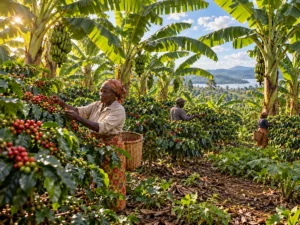
Women are central to Uganda’s coffee value chain. In numerous districts, they perform over 60% of the labor, especially in harvesting, sorting, and drying.
Their precision and consistency significantly shape the quality of the final green coffee.
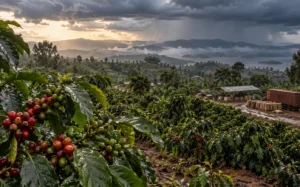
3. Close interaction with the land
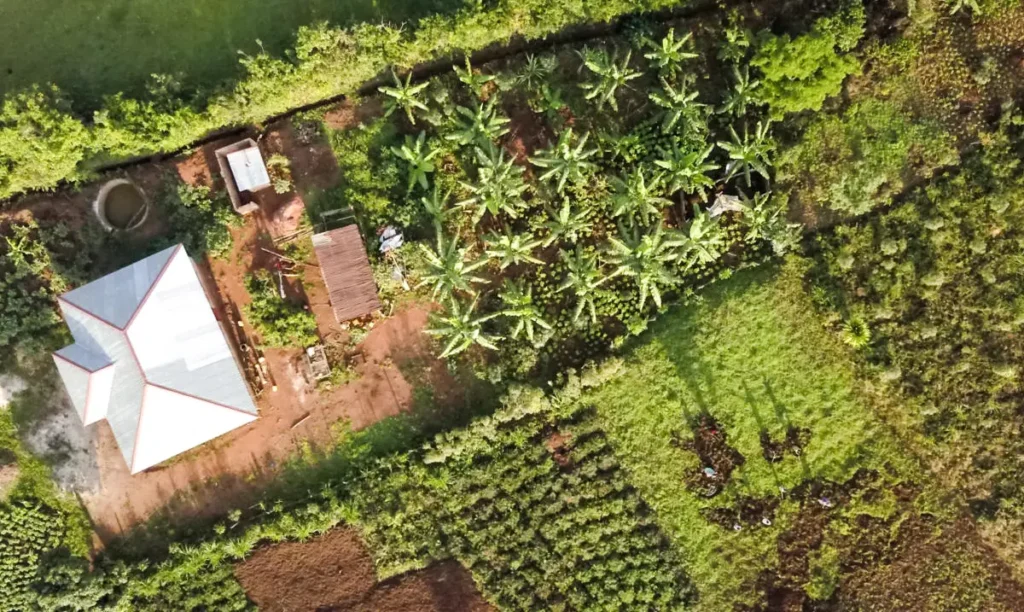
Most smallholders live directly on their farms. This daily presence enables them to:
- Monitor trees closely
- Manage pests and diseases early
- Apply tailored care to individual coffee plants
This hands‑on approach often leads to naturally higher-quality cherries even without advanced technologies.
How Smallholders Influence Coffee Quality
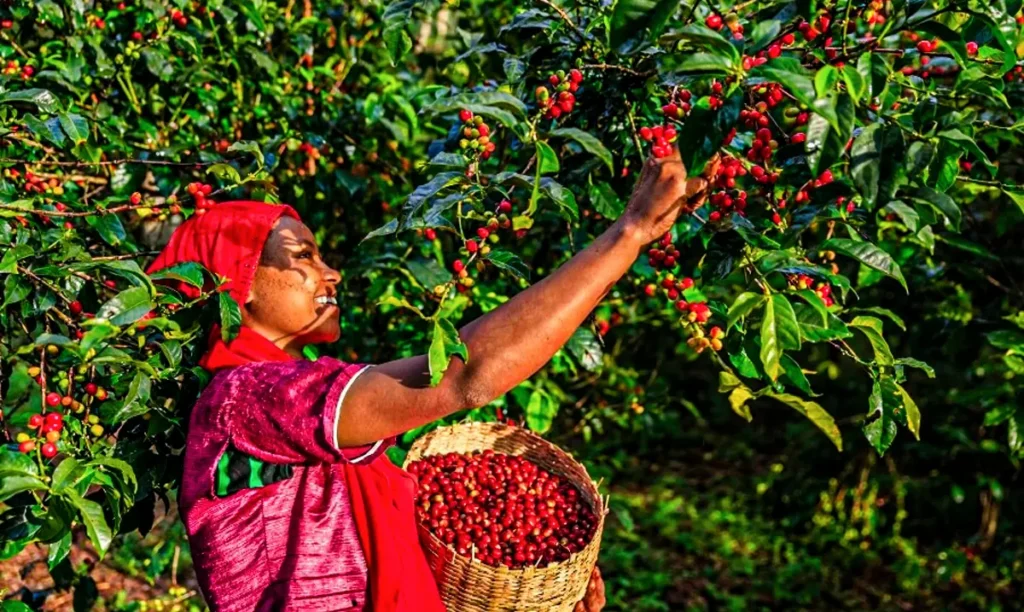
1. Selective hand‑picking
Harvesting is done manually and almost always by family members.
Selective hand‑picking ensures:
- Only ripe cherries are harvested
- Reduced defects
- A cleaner cup profile for buyers
This is one of the biggest quality advantages of smallholder-based systems.
2. Traditional yet careful drying practices
Drying is typically performed on mats, tarpaulins, or raised wooden beds.
Families turn cherries multiple times a day to prevent mold, a detail that has a major impact on shelf stability and final cup quality.
3. Biodiverse farming systems
Smallholders often intercrop coffee with bananas, beans, maize, or fruit trees.
This biodiversity leads to:
- Better soil health
- Greater resilience to climate fluctuations
- Stable long-term yields
And it contributes to the distinct microclimates that influence Uganda’s unique flavor profiles.
Lesser‑Known Facts About Uganda’s Smallholder Coffee Farmers
- Coffee plays a cultural role, especially in rural communities. Offering home-roasted coffee to guests is a common tradition.
- Most smallholders are multi‑crop farmers, which stabilizes their income and protects them from market fluctuations.
- Local cooperatives and farmer groups are crucial in improving market access, collective bargaining, quality training, and traceability.
- Children often participate during harvest seasons, not as labor but as part of family learning, helping pass knowledge to the next generation.
Why Understanding Smallholders Matters for Green Coffee Exporters
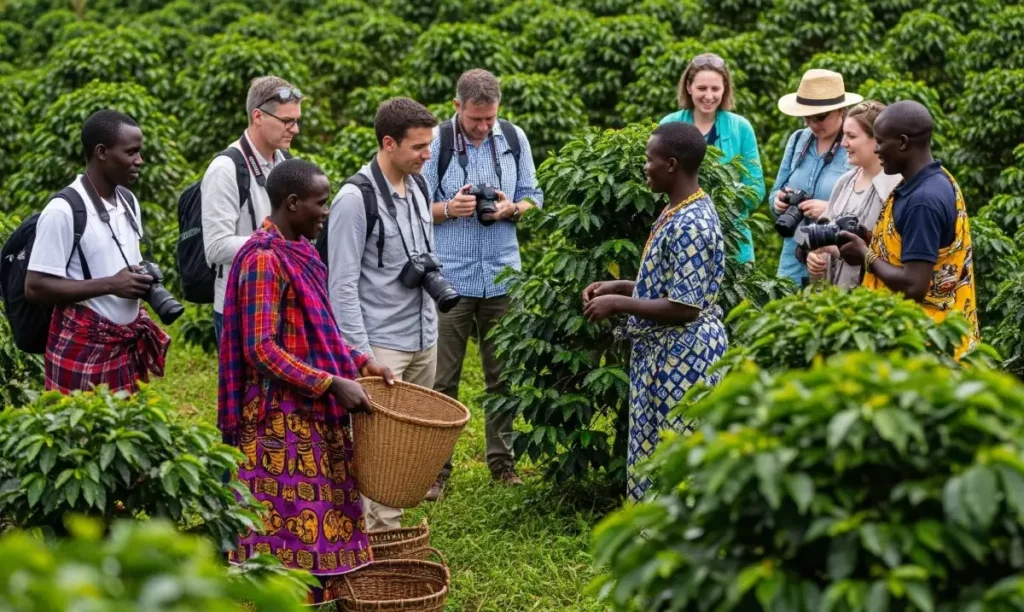
For exporters, working closely with smallholder farmers isn’t just a sourcing strategy—it’s a pathway to building transparent, resilient, and high‑quality supply chains.
Key advantages include:
- The ability to improve cup quality through training and partnership
- Direct relationships with real producers, not intermediaries
- Access to fresher, more traceable lots
- The potential for long‑term, stable procurement
With global buyers increasingly demanding transparency, sustainability, and origin‑specific information, smallholder engagement is more important than ever.
Conclusion
Smallholder farmers are the heart of Uganda’s coffee industry.
Every tree, every harvest, and every bag of green coffee ready for export reflects the dedication of families who have tied their livelihoods—and identities—to the land.
Their knowledge, resilience, and commitment shape not only the quality of Uganda’s coffee but also its global reputation.