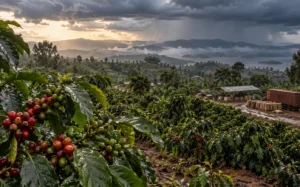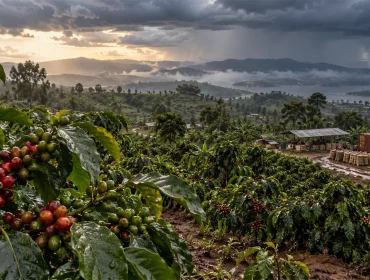


Ugandan coffee is one of the country’s most important agricultural products and an integral part of its economy and cultural heritage. Favorable climate conditions, fertile volcanic soils, and diverse highland landscapes make Uganda an ideal environment for producing high‑quality coffee.
Today, Ugandan green coffee holds an important position in the global coffee market. Many roasters, importers, and coffee companies around the world rely on Uganda as a consistent and reliable source of green coffee beans. In this article, we explore the history, heritage, and global significance of coffee from Uganda.
The Roots of Coffee in Uganda
Uganda is one of the few countries where Robusta coffee grows naturally. Forest areas around Lake Victoria are considered among the natural habitats of this coffee species, making Uganda one of the original homes of Robusta coffee in the world.
Long before coffee became a major export crop, coffee cherries were used in various traditional practices within local communities. In some regions, coffee beans were exchanged as gifts or used as symbols of respect and social connection.
As trade networks expanded across East Africa, coffee cultivation gradually increased, and the crop became one of the most important agricultural products in the country.
The Growth of Uganda’s Coffee Industry
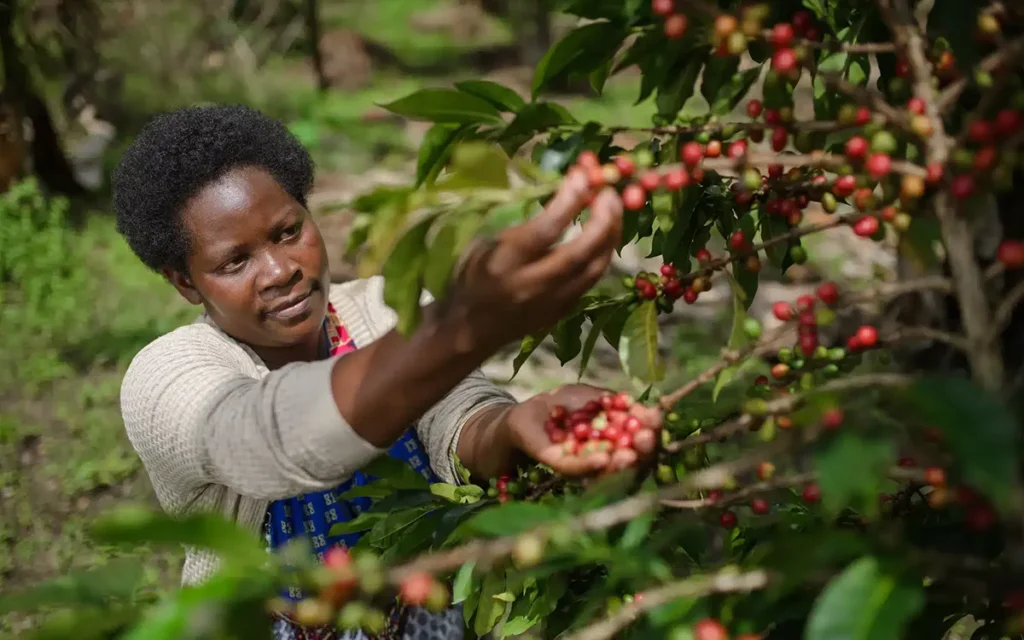
Throughout the twentieth century, coffee production expanded across different regions of Uganda, and more farmers began cultivating coffee.
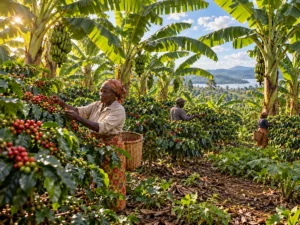
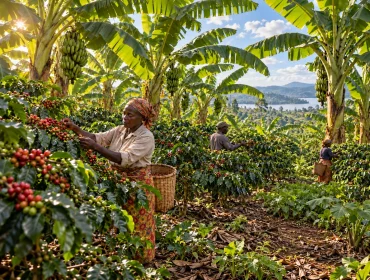
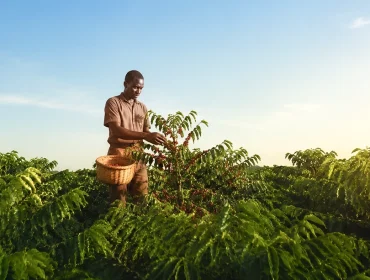
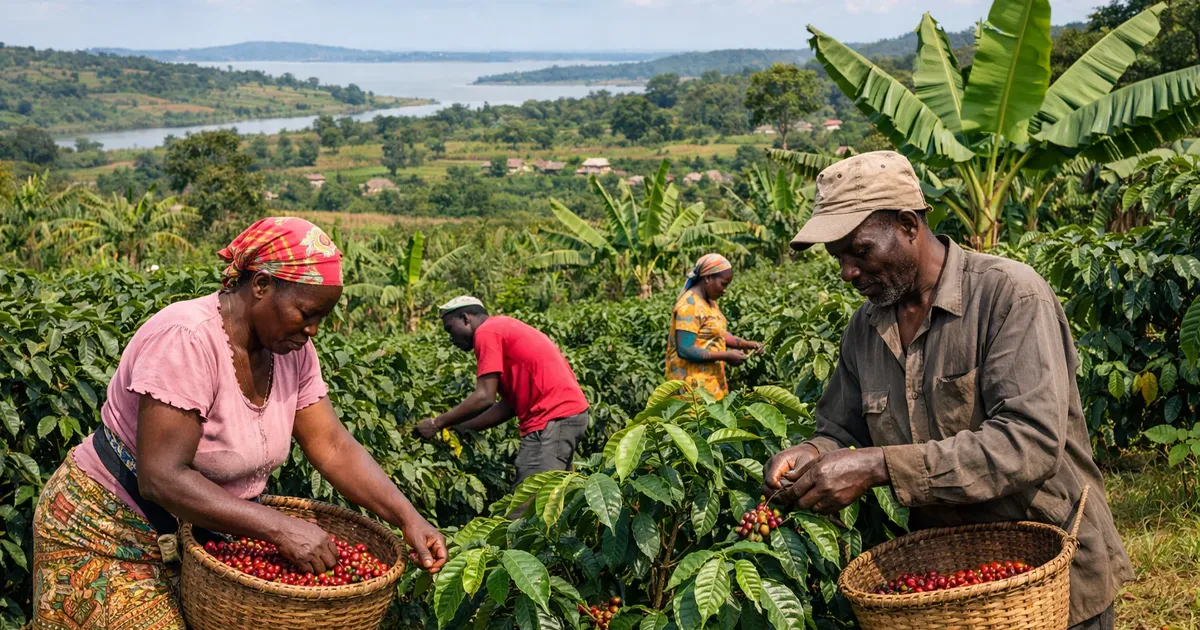
One defining characteristic of Uganda’s coffee industry is its reliance on smallholder farmers. A large portion of Uganda’s coffee is grown on small family farms and then supplied to international markets through cooperatives or export companies.
Major coffee‑producing regions in Uganda include:
- Bugisu
- Rwenzori
- West Nile
- Buganda
- Bunyoro
In many of these areas, coffee cultivation represents a primary source of income for farming families.
Arabica and Robusta Coffee Production in Uganda
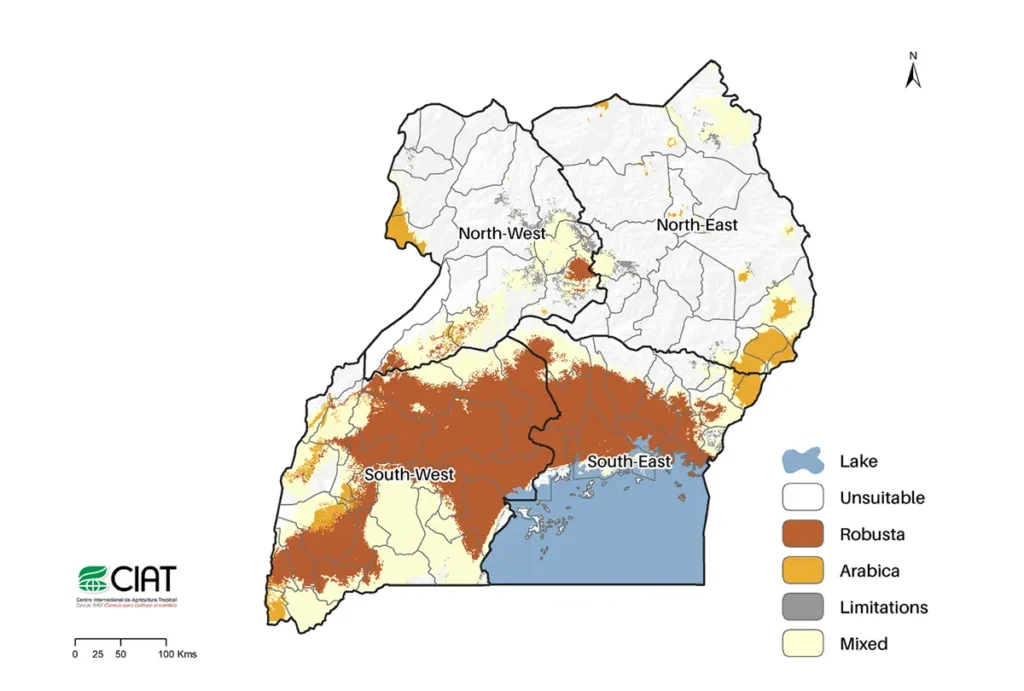
Uganda is among the countries that produce both major coffee species: Arabica and Robusta. This diversity allows international buyers to source different types of green coffee beans from the country.
Ugandan Robusta Coffee
Ugandan Robusta is widely recognized in global markets for several key characteristics:
- Strong body
- High caffeine content
- Excellent crema potential for espresso
Its flavor profile often includes notes such as:
- Dark chocolate
- Nuts
- Mild spices
For this reason, Ugandan Robusta is commonly used in espresso blends and commercial coffee products.
Ugandan Arabica Coffee
Arabica coffee is primarily cultivated in high‑altitude regions, especially in areas such as:
- Mount Elgon
- The Rwenzori Mountains
These coffees typically feature:
- Balanced acidity
- Fruity and floral notes
- Natural sweetness
As a result, Ugandan Arabica has gained increasing attention in the specialty coffee market in recent years.
The Role of Coffee in Uganda’s Economy
Coffee is one of Uganda’s most important export commodities, and millions of people are directly or indirectly involved in its production, processing, and trade.
Key factors that make Ugandan coffee significant in the global market include:
- Large‑scale and sustainable production
- Diversity of coffee varieties
- Reliable quality of green coffee beans
- A broad network of local farmers
Because of these strengths, Uganda ranks among the leading coffee producers and exporters in Africa.
Green Coffee Exports from Uganda
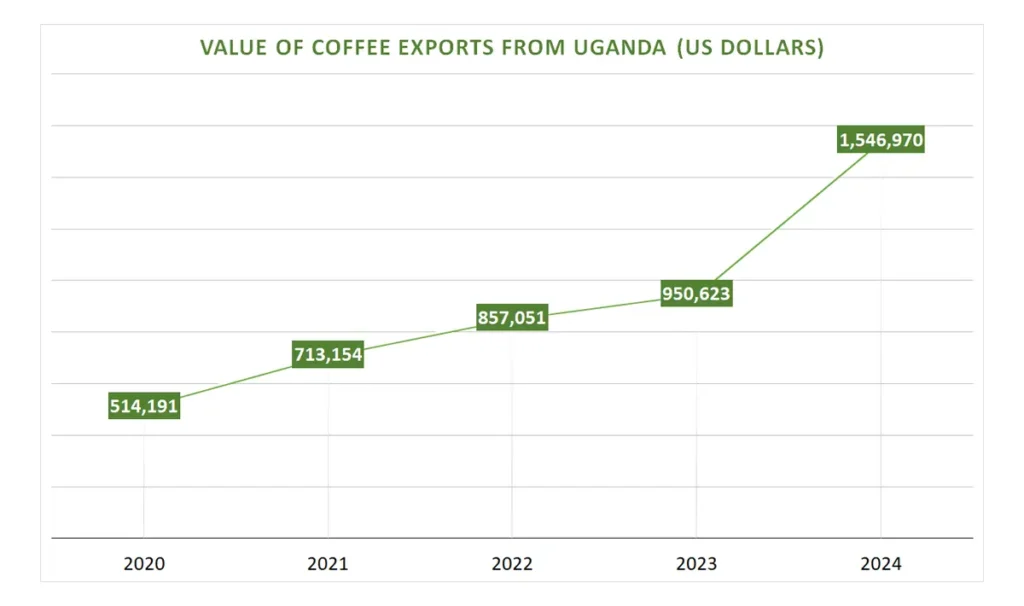
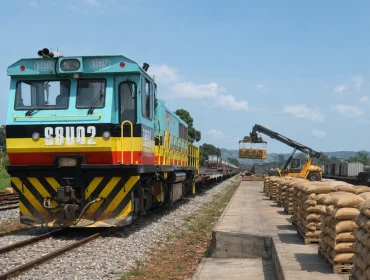
In recent years, global demand for Ugandan green coffee beans has continued to grow. Many roasters and coffee companies are seeking reliable sourcing partners that can offer consistent quality and traceable supply chains.
Coffee export companies in Uganda work closely with farmers, cooperatives, and processing stations to manage the coffee supply chain from farm to international markets.
These partnerships not only help maintain quality standards but also contribute to the sustainable development of coffee‑growing communities.
The Future of Ugandan Coffee in the Global Market
With the growing global demand for single‑origin coffee, Uganda has significant opportunities to expand its presence in the specialty coffee sector.
Investments in farmer training, improved processing methods, and stronger export infrastructure have significantly enhanced the quality of Ugandan coffee in recent years.
Today, Ugandan coffee represents more than just an agricultural commodity. It is part of the country’s cultural heritage and a valuable natural resource. For international buyers, working with exporters of Ugandan green coffee provides access to high‑quality, traceable coffee from one of the world’s most important coffee origins.
Frequently Asked Questions About Ugandan Coffee
Does Uganda only produce Robusta coffee?
No. Uganda produces both Robusta and Arabica coffee. Robusta is mainly grown in lower‑altitude areas, while Arabica is cultivated in higher elevations.
What are the main coffee‑growing regions in Uganda?
Major regions include Bugisu, Rwenzori, West Nile, Buganda, and Bunyoro.
Why is Ugandan coffee important in the global market?
Because of its natural Robusta origins, reliable green coffee quality, and extensive network of smallholder farmers, Uganda has become one of the key coffee suppliers in the international market.