

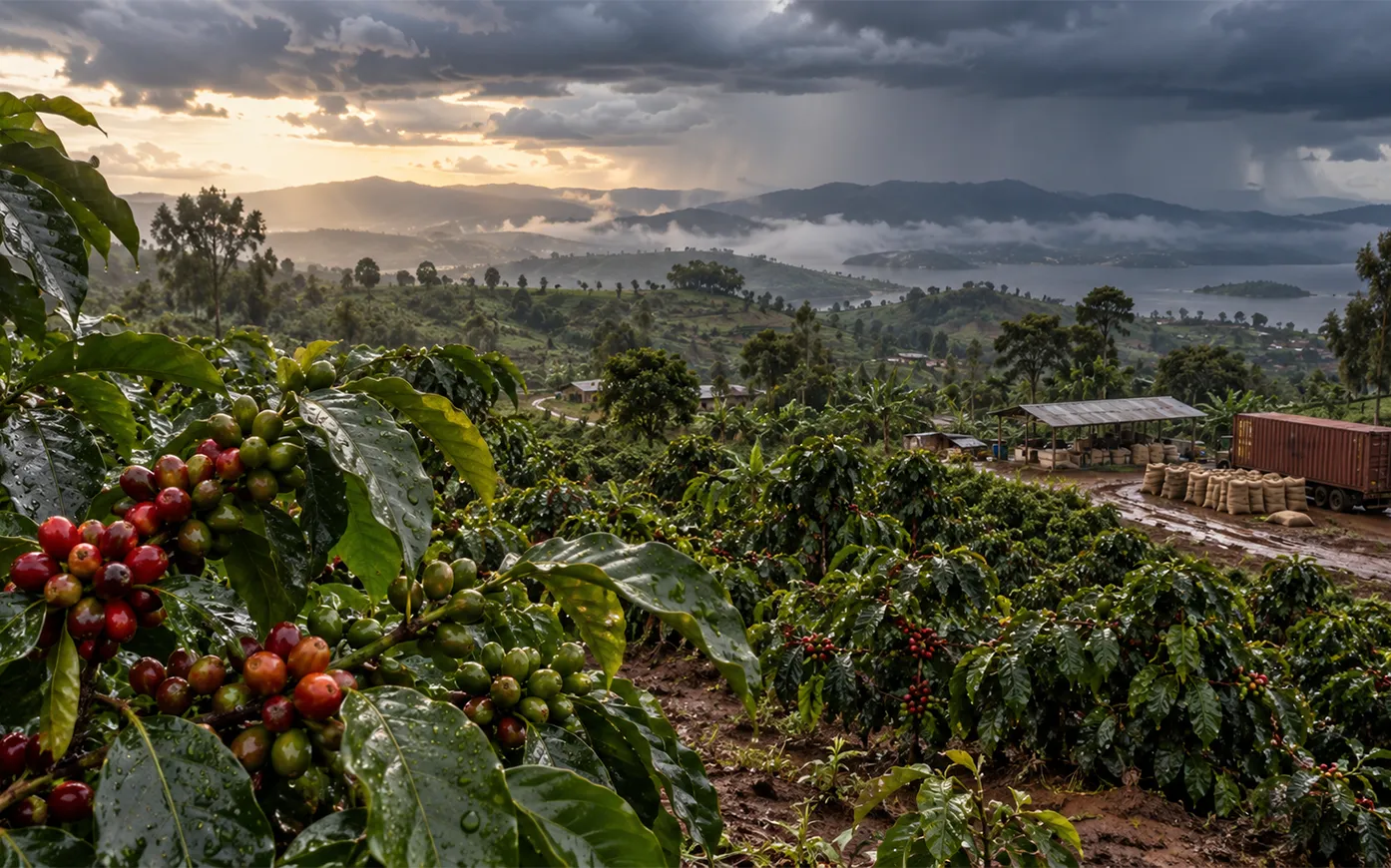
The phrase 2026 El Niño and Robusta Coffee Supply is no longer a hypothetical planning topic for importers. NOAA’s Climate Prediction Center reported on 10 September 2026 that El Niño is strengthening and assigned a greater than 90% probability to a very strong event during the Northern Hemisphere fall and winter of 2026–27. For green coffee buyers, the key question is not whether El Niño exists, but how its regional rainfall and temperature effects could alter production, post-harvest handling, logistics and sourcing risk across major Robusta origins.
The signal is reinforced by the World Meteorological Organization (WMO), which says El Niño is firmly established, is expected to strengthen further, and has a near-100% likelihood of persisting through February 2027. WMO also cautions that a very strong El Niño increases the probability of major shifts in rainfall and temperature, but the strength of the event does not translate directly into the severity of impacts in every region. That distinction is essential for responsible procurement decisions.
Why Robusta Buyers Should Take the Climate Signal Seriously
Coffee markets have already shown how weather shocks can translate into supply and price pressure. In March 2025, the Food and Agriculture Organization of the United Nations (FAO) reported that prolonged dry weather contributed to a 20% decline in Viet Nam’s coffee production in 2023/24, while excessive rainfall contributed to a 16.5% year-on-year decline in Indonesia. FAO also reported that Robusta prices in December 2024 were 70% higher in real terms than a year earlier. These figures do not prove that the 2026 El Niño will repeat the same pattern, but they demonstrate the commercial sensitivity of Robusta supply to weather disruption.
For procurement teams, this means climate risk should be treated as a supply-chain variable rather than a headline. A weather shock can affect more than farm yield: it can influence cherry development, drying time, moisture stability, defect risk, warehouse flow, road access and the timing of export availability.
Uganda Is Not a Climate-Free Alternative
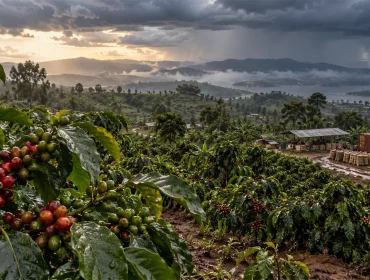
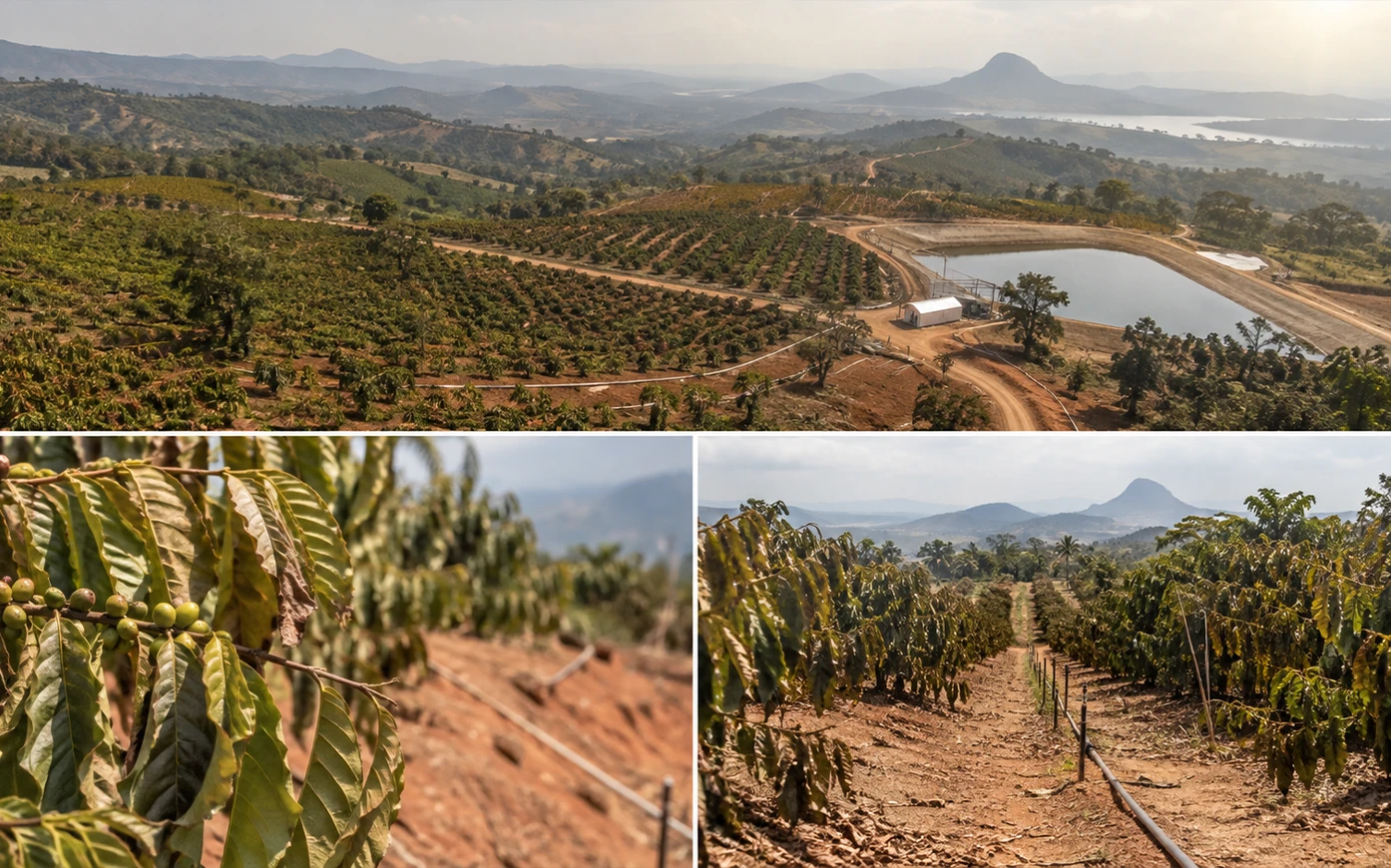
Origin diversification only works when buyers understand the risks of the alternative origin as well. Uganda’s Ministry of Water and Environment seasonal outlook for September–December 2026 expects El Niño to intensify and forecasts near-normal to above-normal rainfall across most of the country, with warmer-than-average temperatures. The same official outlook says the Rwenzori sub-region is expected to receive near-normal to above-normal rainfall, while the Mount Elgon region is forecast to receive above-normal rainfall.
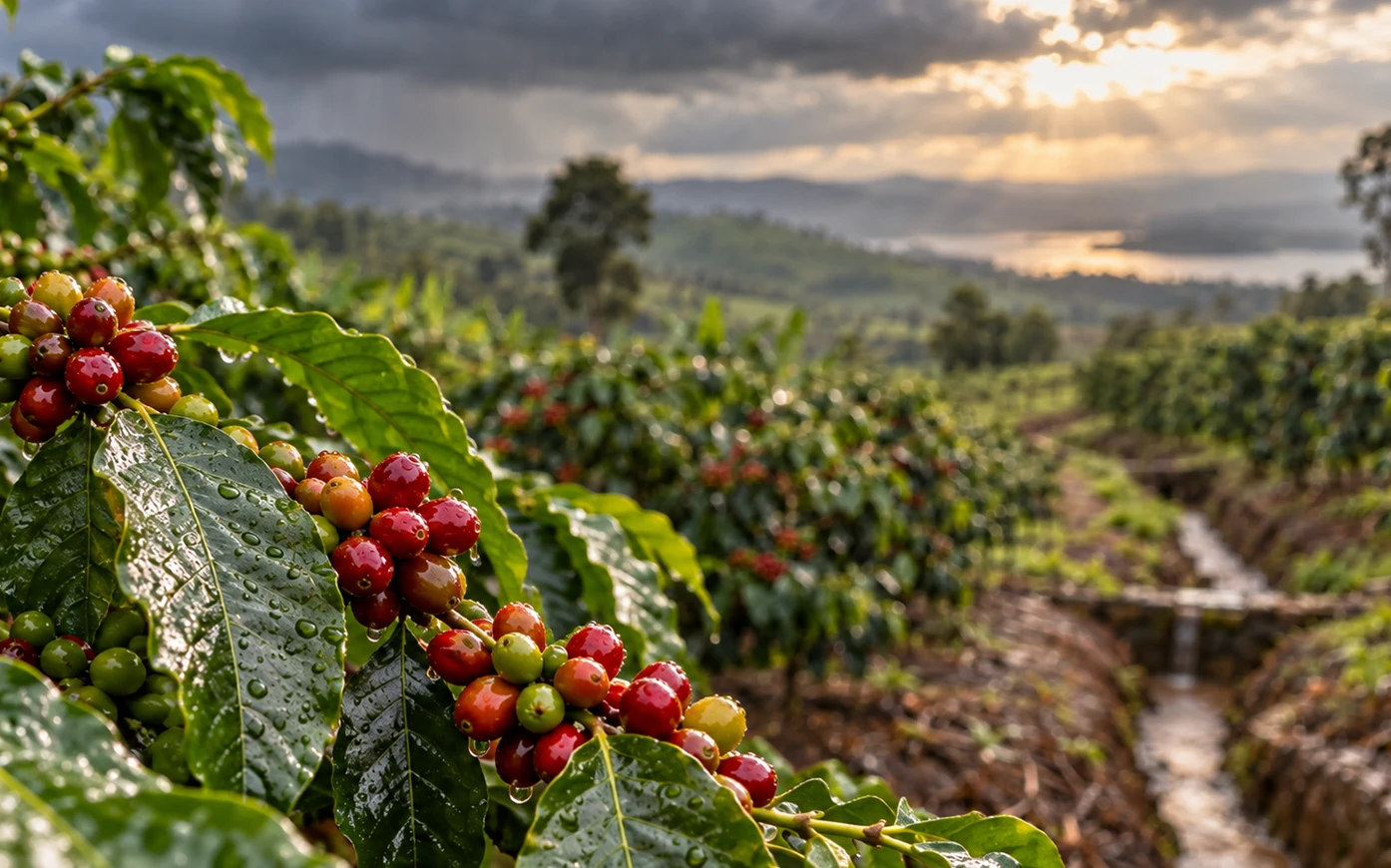
Importantly, the Ugandan outlook identifies both benefits and risks for agriculture. Uganda’s official climate advisory notes that improved soil moisture can favor perennial crops such as coffee. At the same time, it warns that extreme rainfall can increase crop damage, erosion, waterlogging, pest and disease pressure, reduce flowering and fruit development during prolonged wet conditions, and raise post-harvest losses through damp conditions, mold and rotting. It also specifically warns that heavy storms, strong winds and hail may damage coffee plantations.
That makes the B2B conclusion more nuanced: Uganda should not be presented as a guaranteed winner from El Niño. Instead, it can be evaluated as a strategically important Robusta origin whose climate exposure differs from that of Southeast Asian suppliers.
Why Uganda Matters in a Diversified Robusta Sourcing Strategy
Uganda already has meaningful scale in the global coffee trade. The International Coffee Organization’s February 2026 Coffee Market Report described Uganda’s export growth as appearing structural, with shipments reaching a record 7.32 million 60-kilogram bags in coffee year 2024/25 and exports on a sustained upward trajectory since mid-2023/24. This matters because diversification is more practical when an origin has established export capacity rather than merely theoretical production potential.
Uganda’s own coffee reporting also illustrates the weight of Robusta in its export mix. In its July 2025 monthly report, the Uganda Coffee Development Authority recorded 997,105 bags exported in the month, including 914,448 bags of Robusta. Over the twelve months from August 2024 to July 2025, total coffee exports reached 7.93 million bags. For buyers, these numbers support Uganda’s relevance as a commercial Robusta sourcing origin.
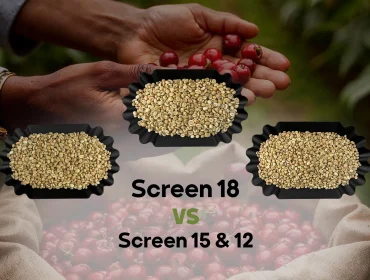
The procurement case, however, is not simply “replace Viet Nam with Uganda.” Different origins can vary in grade availability, screen distribution, cup profile, processing, seasonality, logistics, contract structure and buyer specifications. The more defensible strategy is to assess whether Uganda can cover a defined portion of a buyer’s Robusta program and reduce concentration risk.
What Buyers Should Monitor Through Late 2026 and Early 2027
- Regional rainfall anomalies in Viet Nam and Indonesia, especially during sensitive crop-development and harvest periods.
- Uganda’s rainfall intensity and distribution—not only seasonal totals—because excessive wetness can affect farm access, flowering, drying and post-harvest quality.
- Moisture content, defect profiles and pre-shipment quality control for lots exposed to wetter-than-normal harvest conditions.
- Export pace and availability from Uganda relative to Southeast Asian Robusta origins.
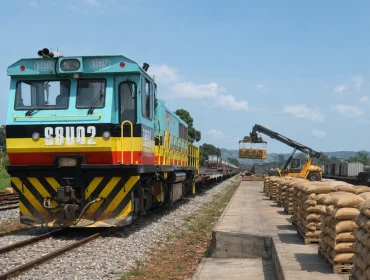
- Freight schedules, inland transport disruption and buffer time around peak rainfall periods.
- Contract flexibility and origin diversification before weather-related tightness becomes visible in spot availability.
A Risk-Management Framework for Importers
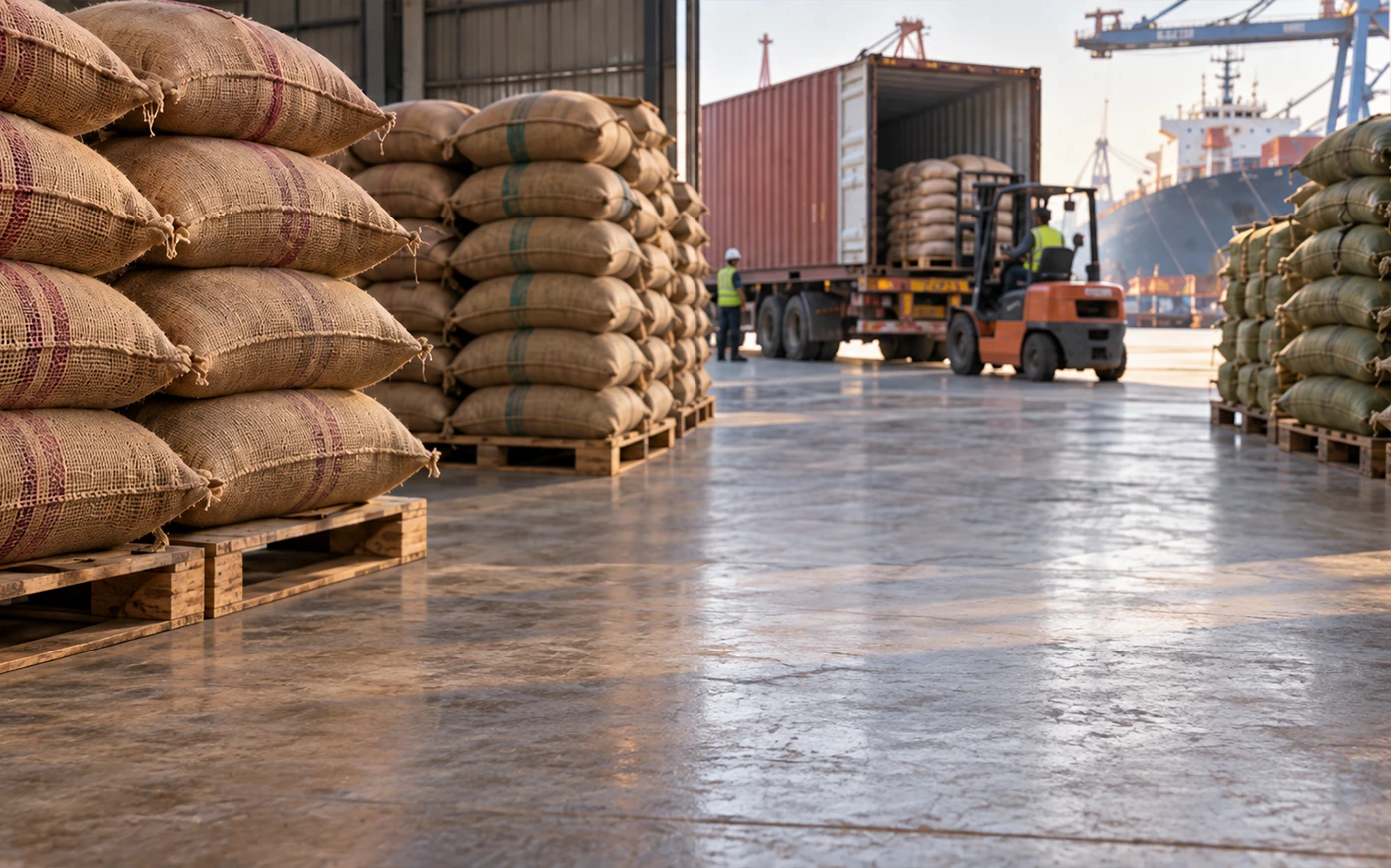
For commercial buyers, the most useful response to a strong El Niño is not speculation about which origin will “win.” It is scenario planning. Buyers can map critical Robusta specifications, identify which can be supplied from more than one origin, pre-qualify alternative lots, and establish quality and logistics checkpoints before supply conditions tighten.
Uganda can fit into this framework as a diversification origin, particularly for buyers that already understand Ugandan Robusta grades and can manage differences in sensory profile and physical specifications. The objective is resilience: maintaining acceptable quality, delivery reliability and commercial flexibility when one production region faces weather-related disruption.
What the Evidence Does—and Does Not—Allow Us to Say
The evidence supports three conclusions. First, the 2026 El Niño is real, strengthening and highly likely to become very strong. Second, previous weather disruptions have materially affected Robusta production and prices in major origins. Third, Uganda is a significant and growing coffee exporter with substantial Robusta capacity.
The evidence does not support a deterministic claim that Viet Nam will suffer a specific production loss, that Uganda will automatically gain market share, or that Robusta prices must rise by a defined amount. Regional impacts remain dependent on the timing, intensity and distribution of rainfall and temperature anomalies, as well as farm management, inventories, logistics and demand.
FAQ
1. Will the 2026 El Niño definitely reduce global Robusta production?
No. NOAA and WMO indicate a very strong El Niño is highly likely, but regional impacts are not guaranteed. Production outcomes will depend on local rainfall, temperature, crop stage and farm management.
2. Is Uganda protected from El Niño-related coffee risk?
No. Uganda’s official September–December 2026 outlook anticipates increased rainfall in many coffee-growing areas and identifies both potential benefits and risks, including improved soil moisture as well as waterlogging, disease pressure, storm damage and post-harvest losses.
3. Why should importers consider Uganda in a Robusta diversification plan?
Uganda combines established Robusta production with growing export capacity. ICO data show sustained export growth, while Uganda’s official coffee reports confirm that Robusta represents a large share of exported volume. This makes Uganda commercially relevant for buyers seeking to reduce excessive dependence on a single origin.
Conclusion
The 2026 El Niño should be treated as a procurement risk signal, not a prediction of inevitable shortage. For green coffee buyers, the practical response is to monitor origin-specific weather, strengthen quality controls, protect logistics timelines and evaluate diversified Robusta sourcing before disruption becomes acute.
Uganda deserves a place in that evaluation—not because it is immune to El Niño, but because its established Robusta sector, export capacity and different regional climate exposure can contribute to a more resilient sourcing portfolio.