

Coffee today is no longer just a beverage; it is a global industry that connects millions of people, from farmers, exporters, and importers to roasters, baristas, and consumers. For this reason, international coffee events play a crucial role in shaping the future of the industry.
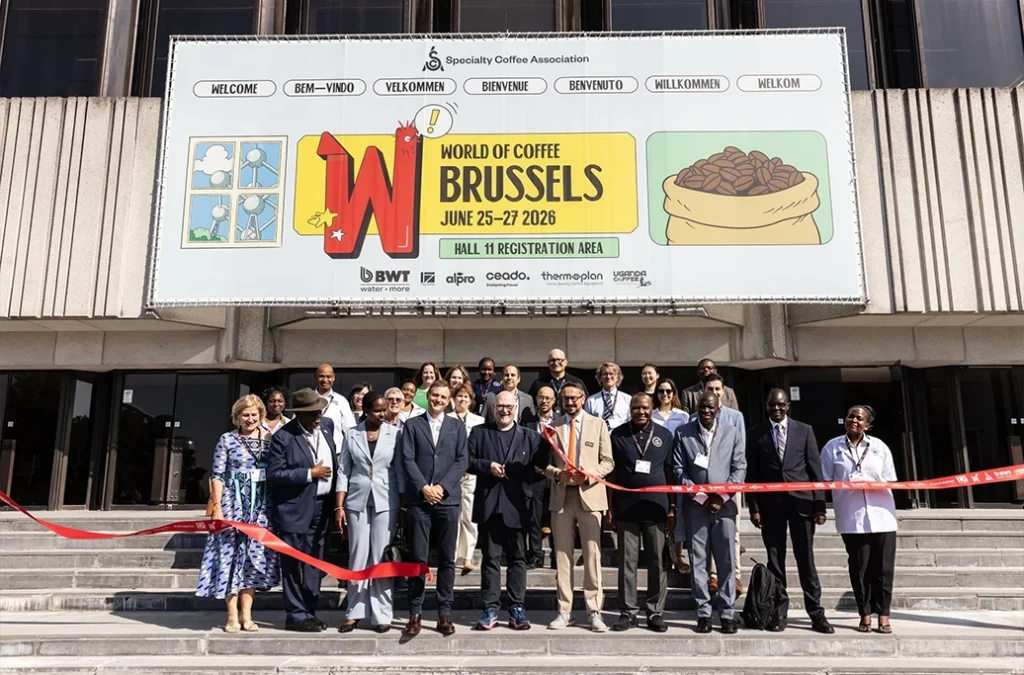
In this context, World of Coffee Brussels 2026, held from June 25 to 27, 2026 at Brussels Expo, became the largest edition of this exhibition in European history. With the participation of thousands of professionals, hundreds of companies, and representatives from dozens of countries, the event provided a platform for showcasing innovation, expanding business partnerships, and exchanging knowledge within the specialty coffee industry.
World of Coffee Brussels 2026 Breaks Records
According to official figures published by the Specialty Coffee Association (SCA), this edition set a new record in the history of World of Coffee Europe.
Key figures from the event:
- More than 14,400 visitors from 142 countries
- 445 companies and brands active in the coffee industry
- The largest World of Coffee exhibition ever held in Europe
These figures show that the specialty coffee industry continues to grow rapidly, and that Europe remains one of the most important hubs for coffee trade, innovation, and global market development.
The Entire Coffee Value Chain Gathered in One Global Event
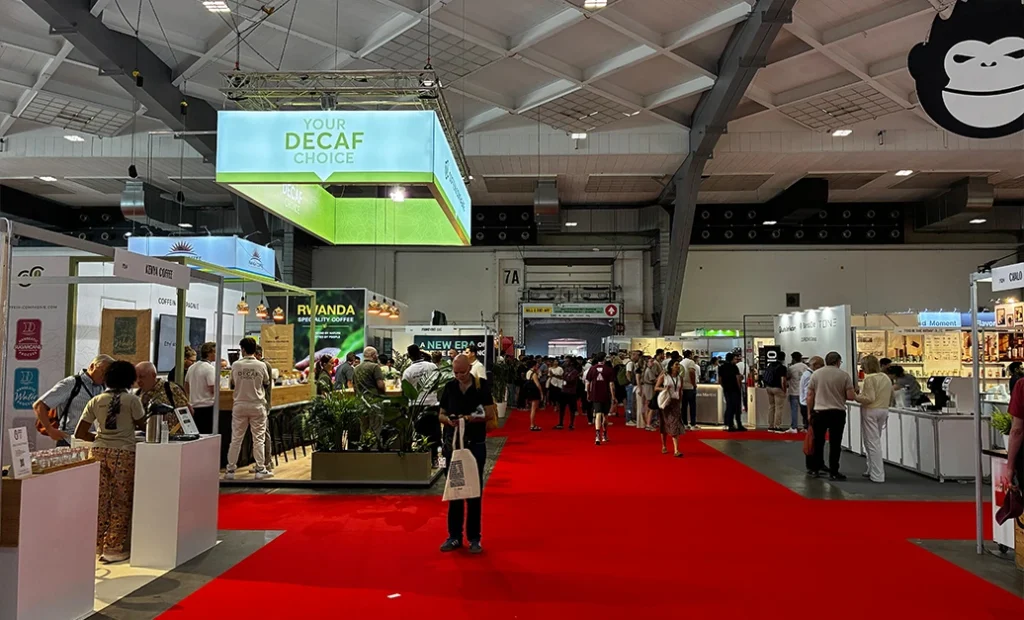
One of the most important features of the Brussels exhibition was the presence of every link in the coffee value chain in one place — from farmers and green coffee producers to exporters, importers, roasters, equipment manufacturers, baristas, and café owners.
Among the exhibition’s main sections were:
- Producer Village, showcasing producing countries and coffee farms
- Green Coffee Connect, designed to create direct relationships between green coffee buyers and sellers
- Roaster Villages, featuring specialty roasters
- Coffee Business Lounge, dedicated to business meetings and networking
- Educational workshops, seminars, and expert panels
This structure ensured that the exhibition was not merely a venue for presenting products, but also a platform for developing international partnerships and creating new business opportunities.
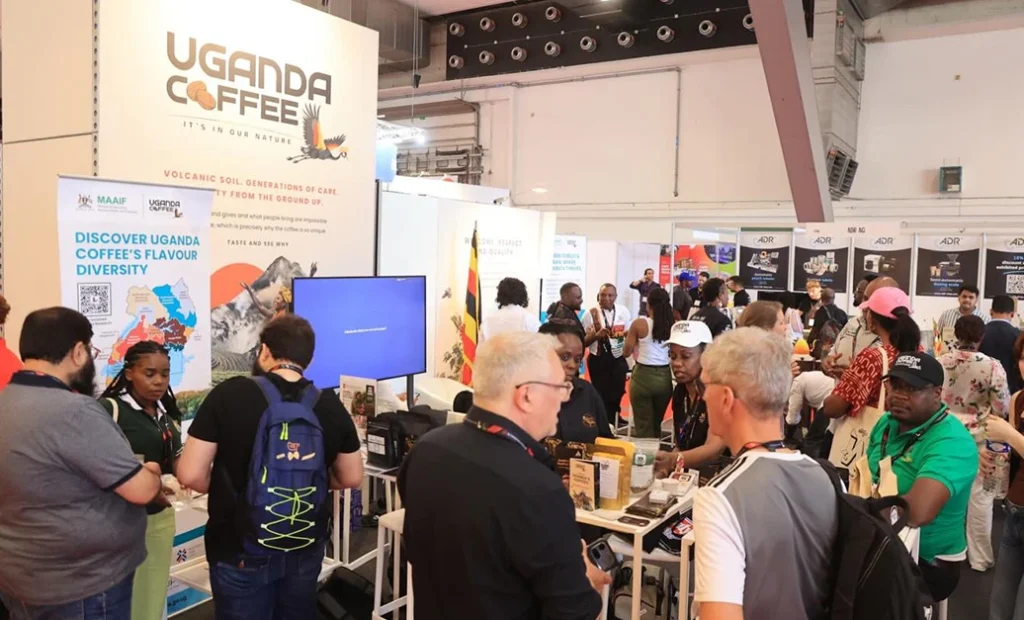
Uganda: The Featured Country of World of Coffee Brussels 2026
One of the most attractive aspects of each edition of World of Coffee is the selection of the Country of Portrait, or “featured country.” This selection is not made on a rotating basis; rather, each year the Specialty Coffee Association chooses a country based on its position in the coffee industry, product quality, export potential, and role in the development of the specialty coffee market.
In 2026, Uganda was introduced as the featured country of the exhibition — a choice that highlights the country’s growing position in the global coffee market.
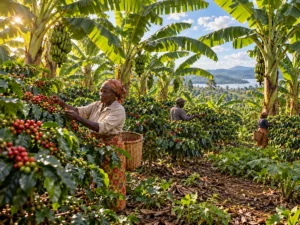
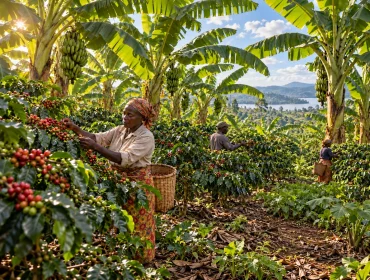
Uganda is the second-largest coffee exporter in Africa after Ethiopia and, in recent years, has made significant investments in improving quality, processing methods, product traceability, and export development. In addition, its simultaneous production of both high-quality Robusta and Arabica has made Uganda one of the most important specialty coffee origins for the European market.
Throughout the exhibition, various programs were held to introduce Uganda’s coffee culture, producers, cooperatives, and investment opportunities in the country’s coffee sector.
Innovation and the Future of Coffee at the Center of Attention
The Brussels exhibition was not only a place for buying and selling coffee; it was also a showcase of the future of the coffee industry.
In the Best New Product Competition, the newest products and technologies in the coffee industry were presented, and the jury selected the most innovative ones. In addition, the Coffee Design Awards evaluated packaging design, brand visual identity, and user experience in coffee products.
These sections demonstrated that the future of the coffee industry is not limited to bean quality alone. Factors such as design, technology, sustainability, customer experience, and innovation also play a decisive role in the success of coffee brands.
Global Championships: A Showcase of Skill and Creativity in Coffee
Alongside the exhibition, three prestigious world championships were also held, bringing together top coffee professionals from around the world.
World Latte Art Championship
In this competition, baristas create artistic designs on espresso using steamed milk. Judges evaluate precision, creativity, symmetry, and the quality of latte art execution.
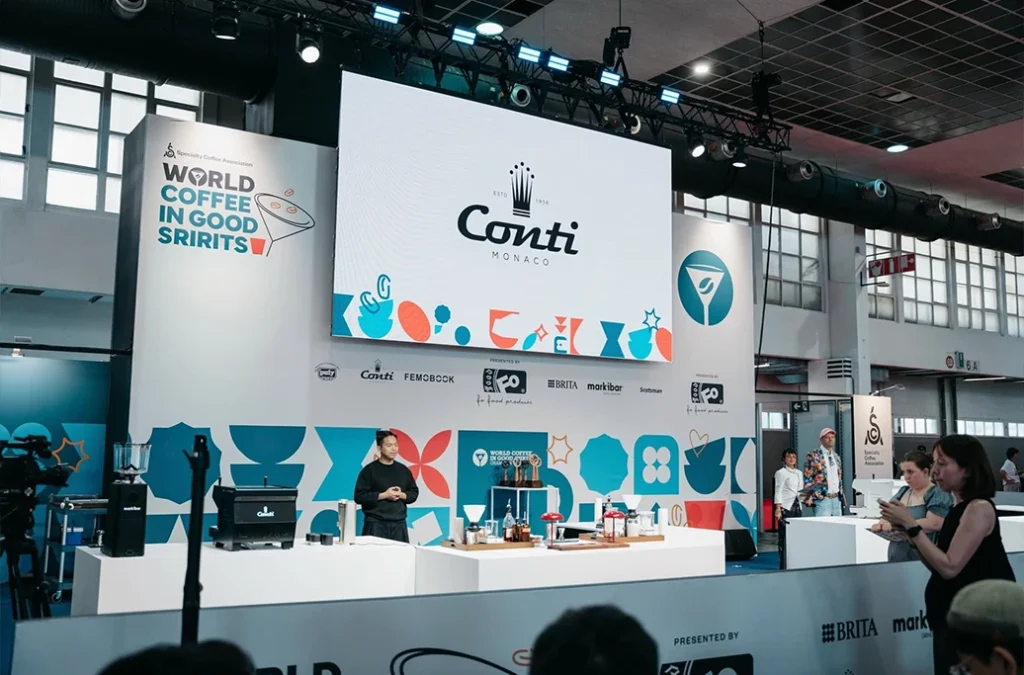
World Coffee in Good Spirits Championship
This competition focuses on the creative combination of coffee with alcoholic beverages. Participants must design drinks that preserve the coffee’s flavor character while also achieving excellence in taste balance, creativity, and presentation.
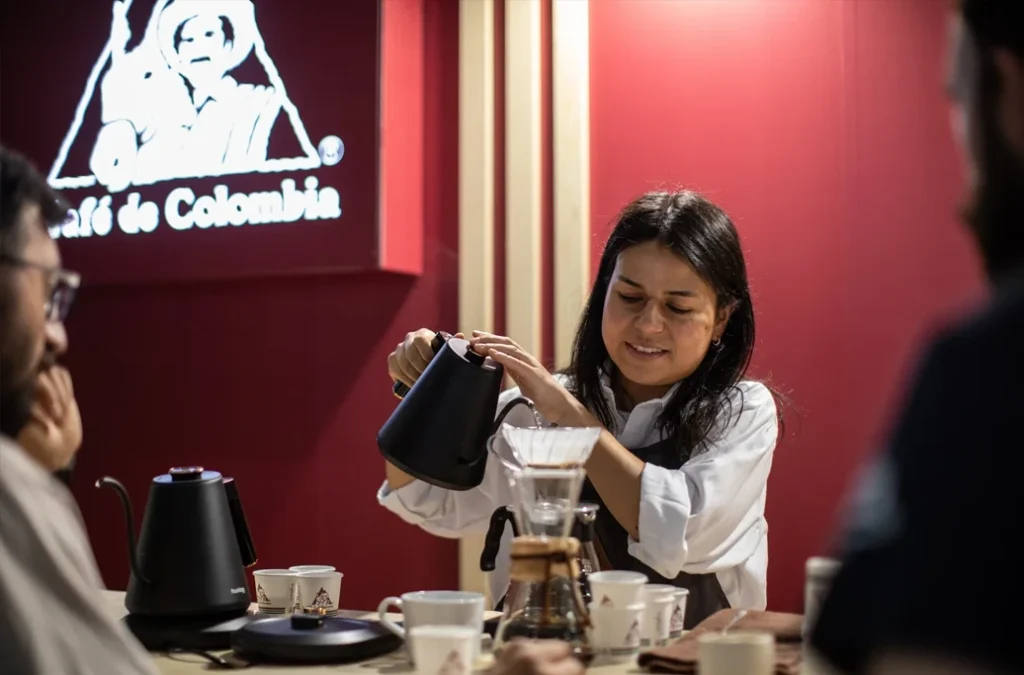
World Cezve / Ibrik Championship
This competition is dedicated to one of the oldest methods of coffee brewing — Turkish coffee. Using a cezve or ibrik, participants demonstrate their skills in controlling the brewing process, extracting flavor, and professionally presenting this traditional method.
The Importance of the Brussels Exhibition for the Global Coffee Market
Brussels’ geographical location and its easy access to European markets have made the city one of the best choices for hosting such an event.
World of Coffee provided a valuable opportunity for:
- Building direct connections between producers and buyers
- Expanding the green coffee market
- Introducing new technologies and equipment
- Exchanging knowledge among professionals
- Creating long-term business partnerships
Once again, the event highlighted Europe’s role as one of the main hubs of the global coffee industry.
Conclusion: A Milestone in Europe’s Coffee Industry
World of Coffee Brussels 2026 was far more than a trade exhibition; it offered a clear picture of the future of the global coffee industry. With more than 14,000 visitors from 142 countries, the participation of 445 companies, and the organization of world championships and specialized programs, this edition became the largest and one of the most influential World of Coffee events in European history.
For professionals in green coffee, importers, roasters, equipment manufacturers, and specialty brands, Brussels offered an opportunity not only to discover the latest market trends, but also to expand business relationships and gain a closer understanding of the future of the coffee industry.
Ultimately, World of Coffee Brussels 2026 once again demonstrated that the coffee industry today is no longer limited to production and consumption; rather, it is a global network of innovation, education, trade, and collaboration that continues to shape its future through events like this.