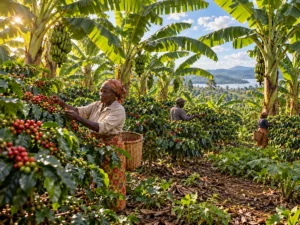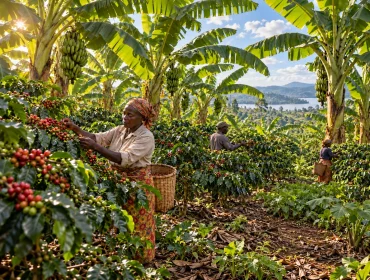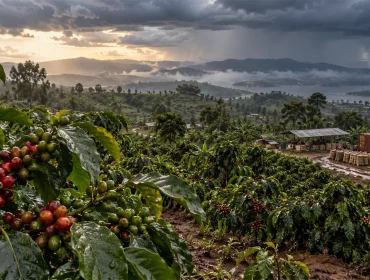


The global green coffee market is dynamic and highly volatile, influenced by many factors. But for us, as a coffee exporting company that deals every day with importers’ concerns, no factor is as decisive as the harvest season.
Being aware of the harvest schedule in origin countries not only helps you source coffee of the highest quality, but also gives you a powerful tool for managing costs and buying at the best possible price point. In this article, we examine how the harvest season changes the pricing dynamics of green coffee in the global market.
1. The Golden Rule of Supply and Demand During Harvest
The most important impact of the harvest season on prices happens through the classic cycle of supply and demand:
At the peak of harvest season:
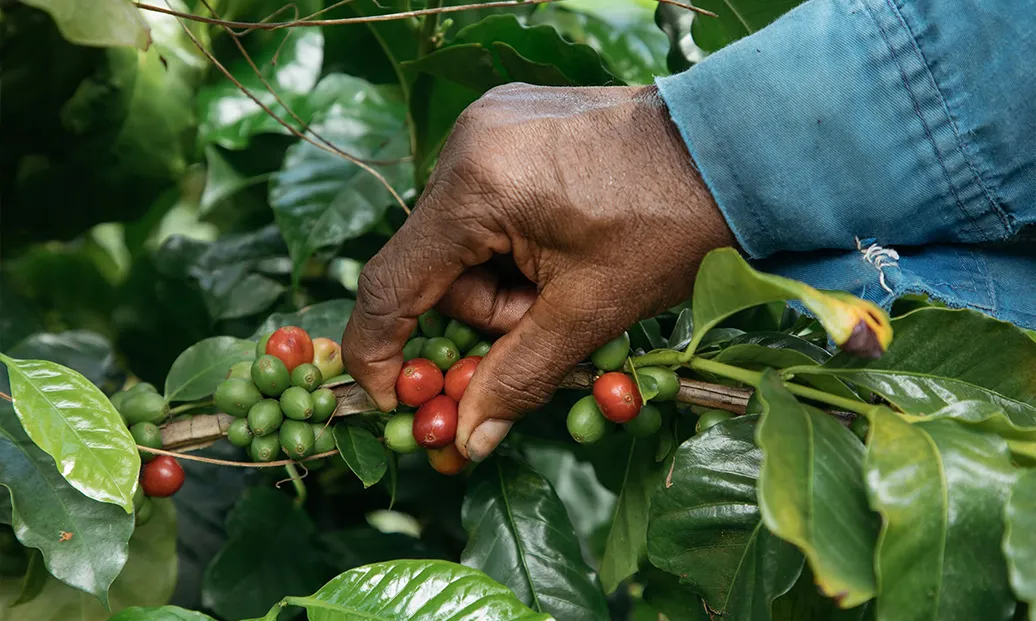
With a huge volume of fresh green coffee entering the market and farmers selling their crop to secure cash flow, supply rises sharply. This market saturation usually causes a relative drop in prices on global exchanges, or at least helps keep them stable. This is the best time for bulk buyers to place orders at competitive prices.
Outside the harvest season:
A few months after the harvest ends, stock levels in origin warehouses begin to decline. In this situation, global demand remains steady but supply becomes limited, so prices naturally start trending upward.
2. The Harvest Calendar of Coffee Giants; Who Controls t
he Market Pulse?
To forecast prices, you need to know the harvest calendar of the two main players in the coffee market:
Brazil (the king of Arabica):
The harvest season in Brazil usually begins in mid-May and continues until late September. Any weather changes or crop forecasts during this period have a direct impact on the global price of Arabica coffee.
Vietnam (the Robusta hub):
Coffee harvesting in Vietnam runs from early October through March. If you are a bulk buyer of Robusta coffee, you should align your purchasing strategy with this calendar.
3. Storage Costs; The Hidden Driver of Higher Prices
Why does coffee become more expensive in the months far from harvest? The answer lies in holding costs. The further we move away from the harvest date, the more expenses increase — such as proper warehousing, product insurance, weight loss due to moisture reduction, and the exporter’s tied-up capital.
These ancillary costs are inevitably added to the final price of green coffee in the off-season months.
4. Bean Quality; The Fresh Crop vs. Past Crop Battle
In coffee trade, harvest time is directly linked to product quality and therefore to price:
Fresh Crop coffee:
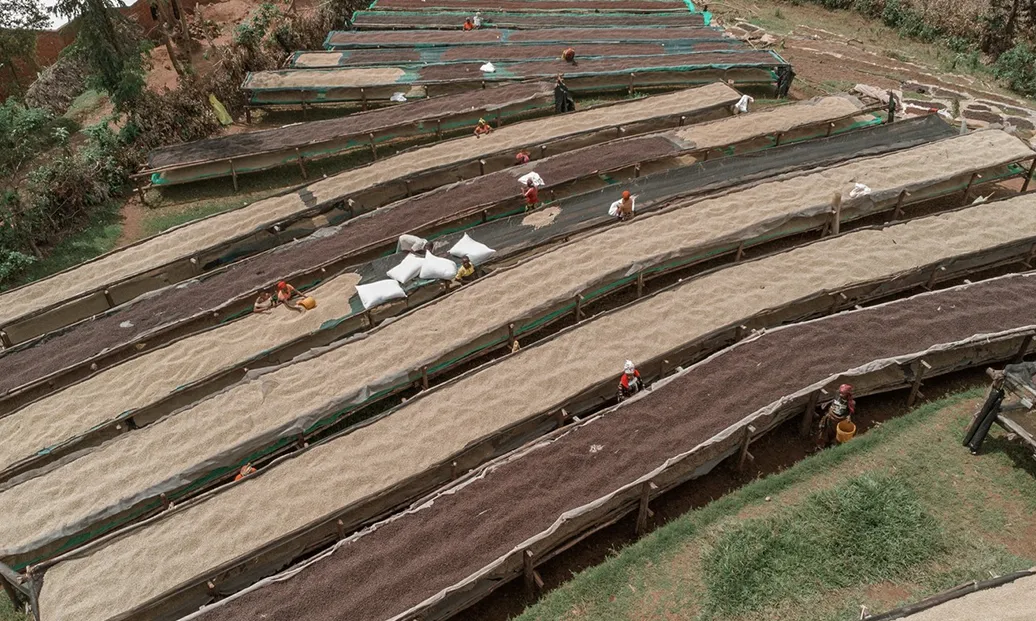
These beans have ideal moisture content (between 10% and 12%) and deliver the true, clean aroma and flavor profile of their growing region. Because of this superior quality, Fresh Crop beans always trade at a higher price and are in strong demand among professional roasters.
Past Crop coffee:
More than a year after harvest, green beans become drier and gradually lose some of their flavor characteristics. These beans are usually sold at special discounts and lower prices in the market.
Final Word: How Can We Buy Smartly?
As a general rule, being close to the harvest calendar of producing countries signals greater supply and more reasonable prices. Planning annual purchases within these time windows can significantly improve your business’s profit margin.
At Obato, as a reliable exporter and supplier of green coffee, we closely monitor global markets and maintain a continuous presence at origin in order to source the freshest products (Fresh Crop) at the best possible time.
For specialized advice on purchase timing and to receive the latest green coffee prices during harvest season, contact our sales team today.